Re: Around the world in 175 days.
Posted: 19 Sep 2017, 05:15
July 14, 1924: Although elaborate arrangements had been made to entertain them, they stayed in Strasbourg only long enough to refuel the aircraft and get a quick lunch before being back in the air bound for Paris. A hundred miles from Paris a flight of planes from the French joined them to escort them to the city. Fifty miles out they could see the Eiffel Tower and the great buildings of the city, as they got nearer they could see thousands of people in the streets celebrating Bastille day, with there French escorts in tow they flew past the Eiffel tower, made a circle around the Arc de Triomphe to pay tribute to the French tomb of the French Unknown Soldier and proceed to Le Bourget Airport where more than five thousand Parisians were crowding the airport. They landed and were quickly mobbed by the throng while diplomats and French officials tried to shake there hands, it took an hour before they could get there aircraft into the hanger to do there post flight servicing. After they were taken to there hotels they accepted an invitation to the famous “Folies Bergere”, as the lights went down for the show they promptly fell asleep.
September 19, 2017: The North American F-86 Sabre, the Sabre is best known as the United States' first swept wing fighter that could counter the Soviet MiG-15 and was considered one of the best and most important fighter aircraft in the Korean war. Although it first flew in 1947 and was outdated by the end of the '50s, the Sabre proved versatile and adaptable. The last was retired by the Bolivian Air Force in 1994. Over 9800 were built in the US, Canada, Japan and Italy.
I tried to use the very nice Milviz model but it proved a bit beyond my skills. I started the flight but part way to Paris noticed the gauges had stopped, I fiddled with the power switches and got them back but then the engine was running at 100% and I could not get it to power back. Fiddling with the switches some more the engine stopped and I could not get it restarted, finally aborting before it crashed into a field. So instead I tried with the Virtavia model, which does not look as nice, especially the VC but it is much easier to fly. Started the flight with light rain, 7 knot winds, a few clouds at 700 feet, overcast at 6000 and a temperature of 10C/50F. I headed northwest toward Paris, at about 5000 feet to get over the first bank of hills and then dropped to about 2300 to stay below the clouds. It cleared up a bit as I approached Paris but I did not see the Eiffel tower as far away as Lt. Smith and the boys did . I finally spotted it and did a few passes by the tower and the Arc de Triomphe before landing at Le Bourget. The F-86 just ate up the 207nm flight in just 35 minutes, often cruising at over 540 knots.
Here are the pics:
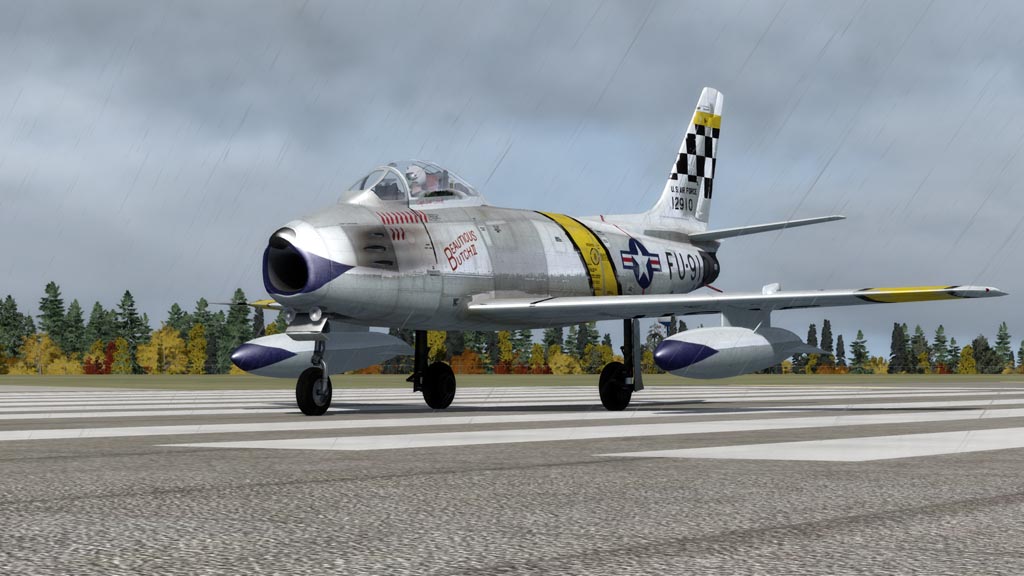
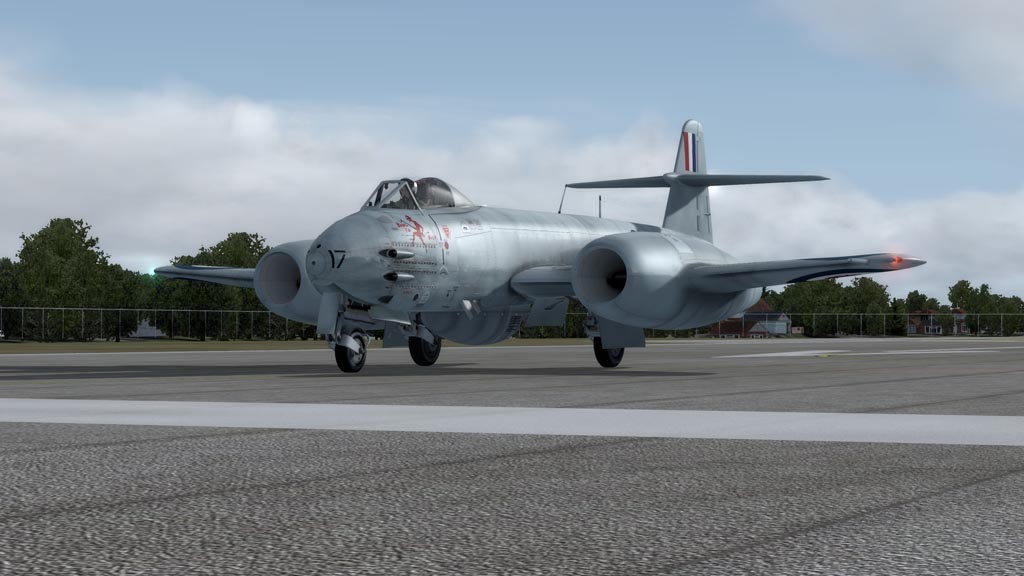
Ready to go.
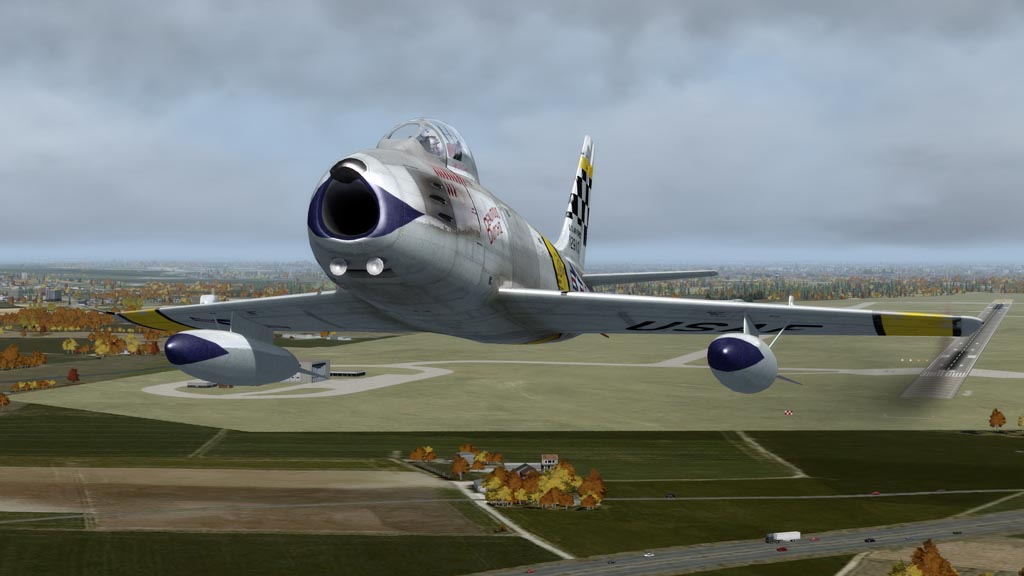
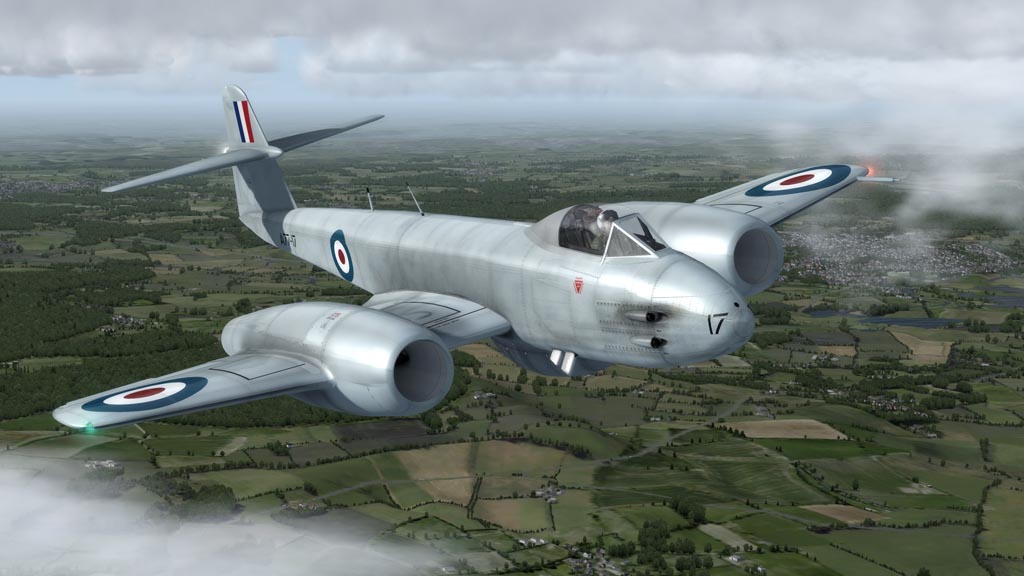
Climbing out of Strasbourg.
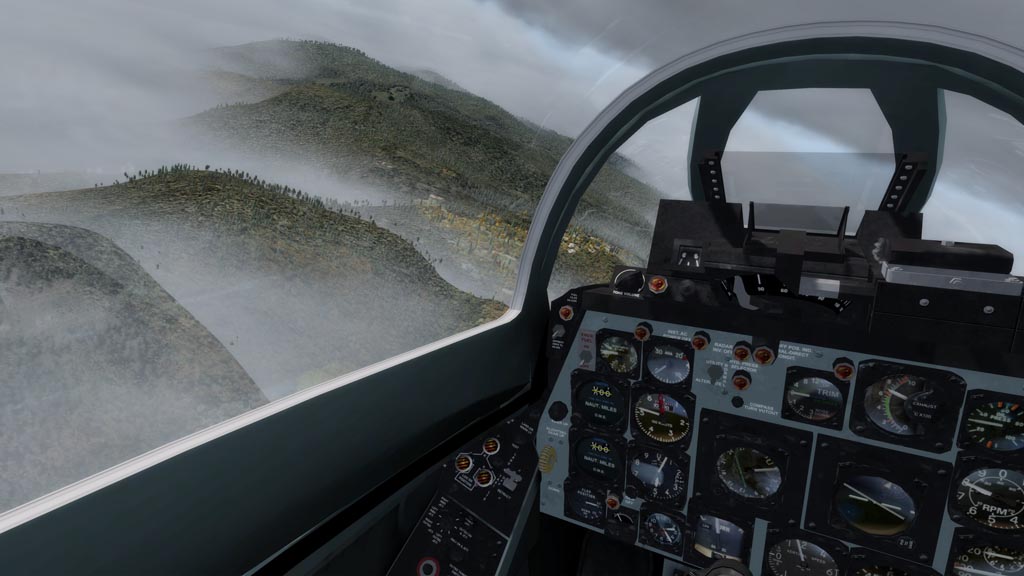
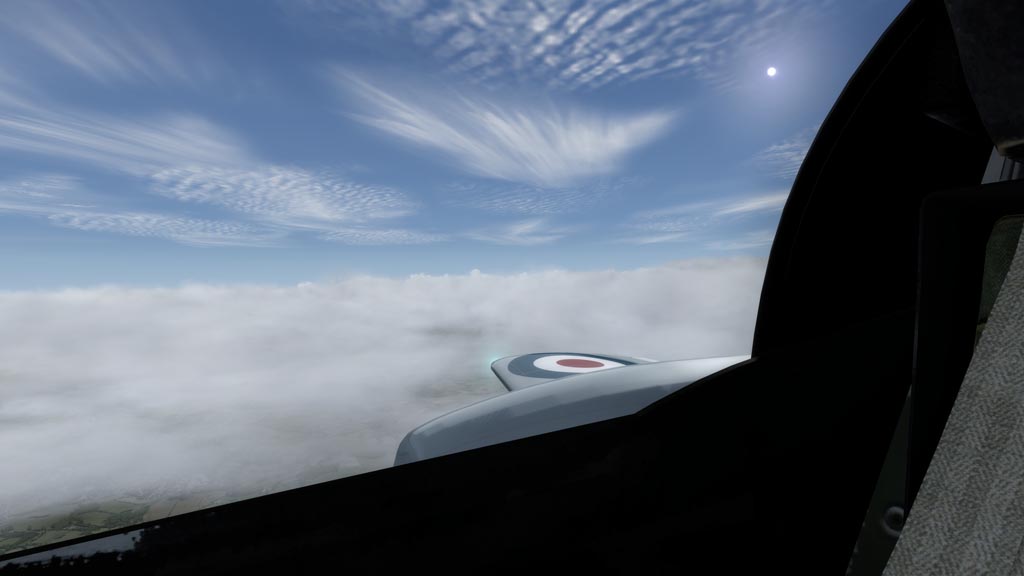
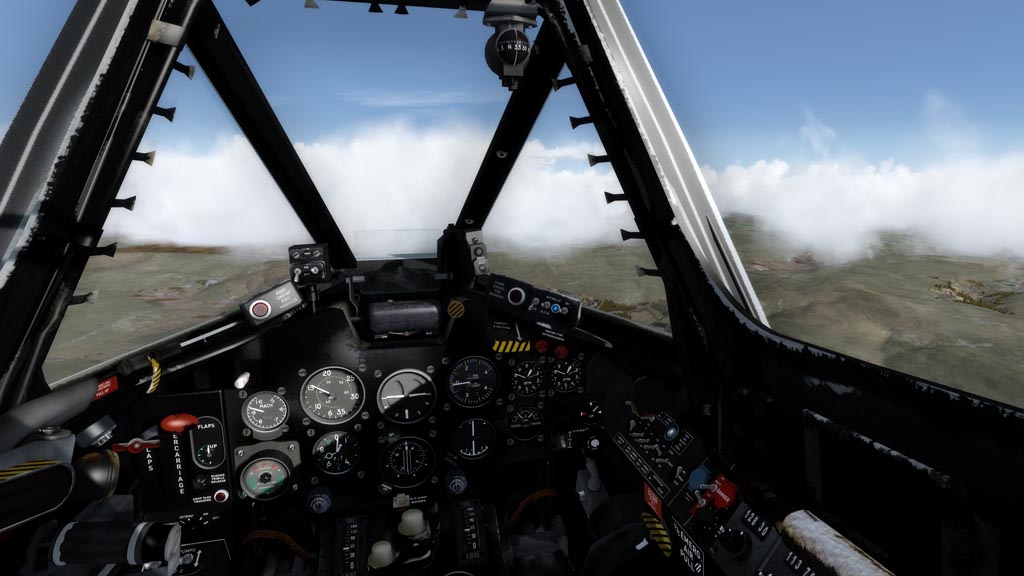
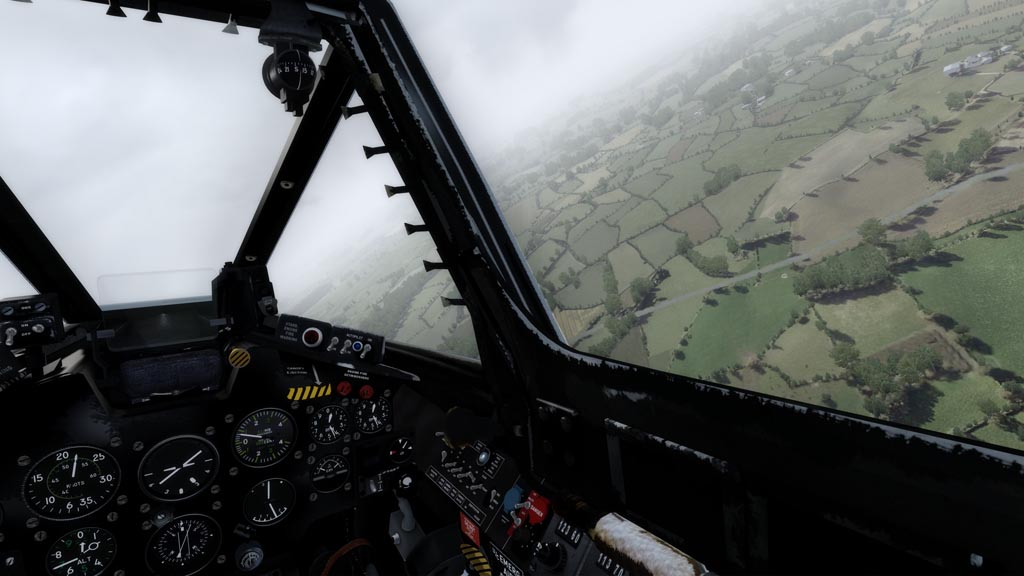
Try to stay between the clouds and the hills.
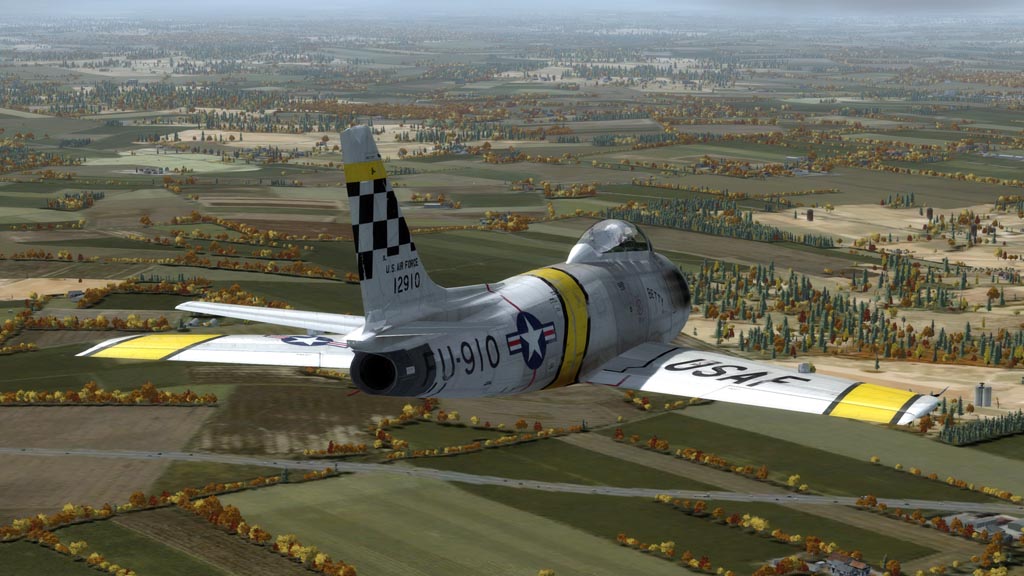
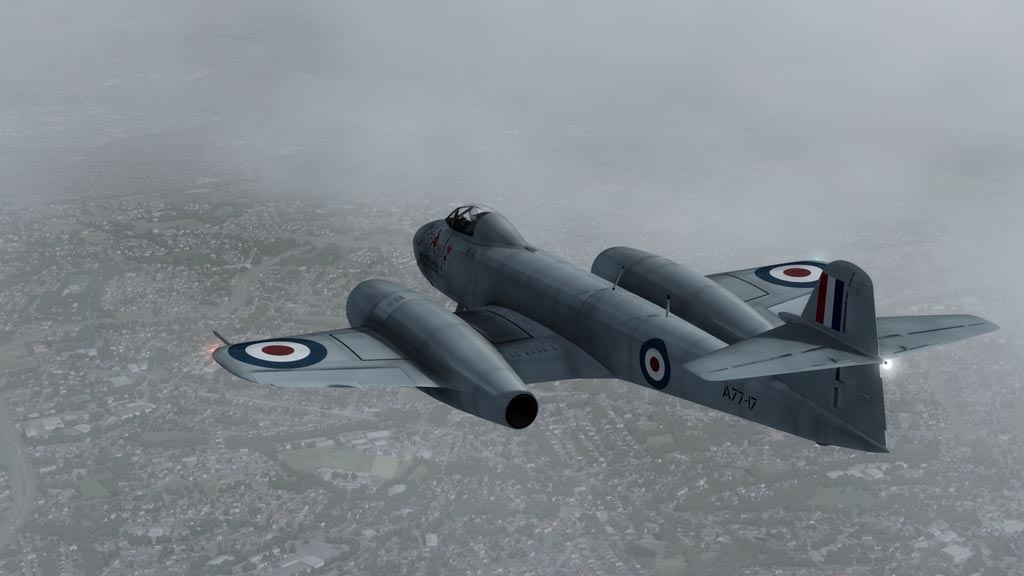
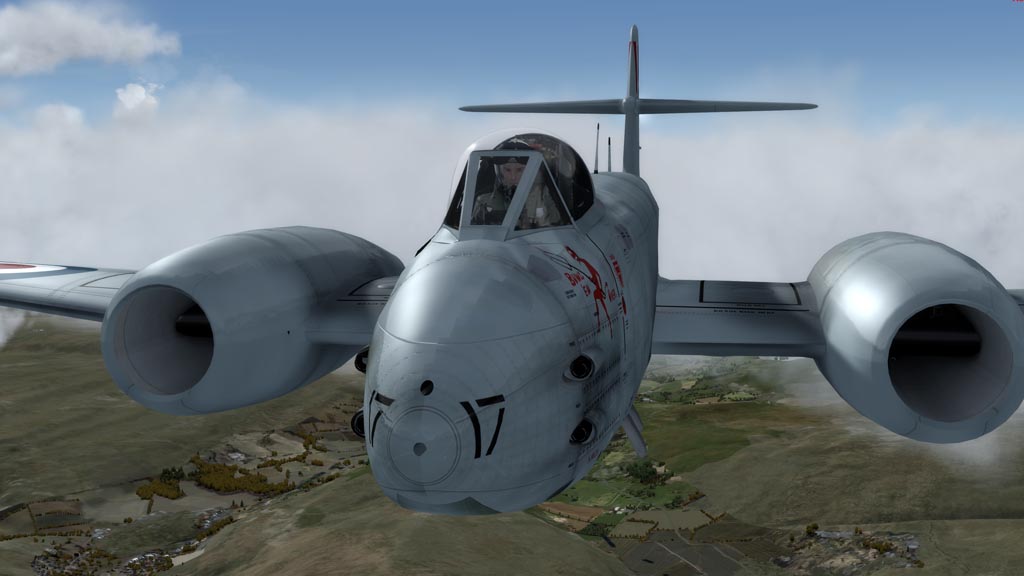
Its clear and I am good on fuel, drop the tanks.
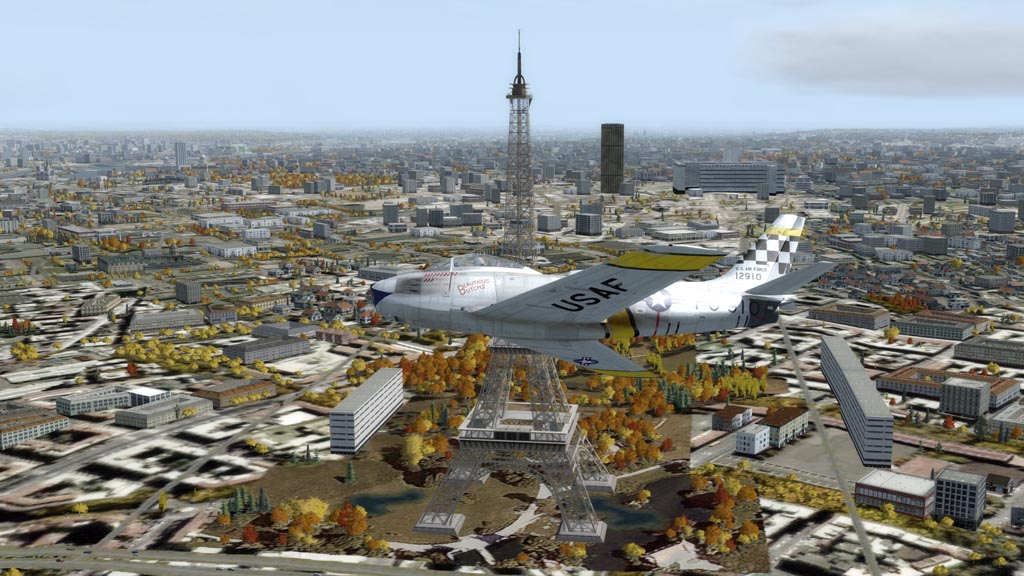
There is the Eiffel Tower
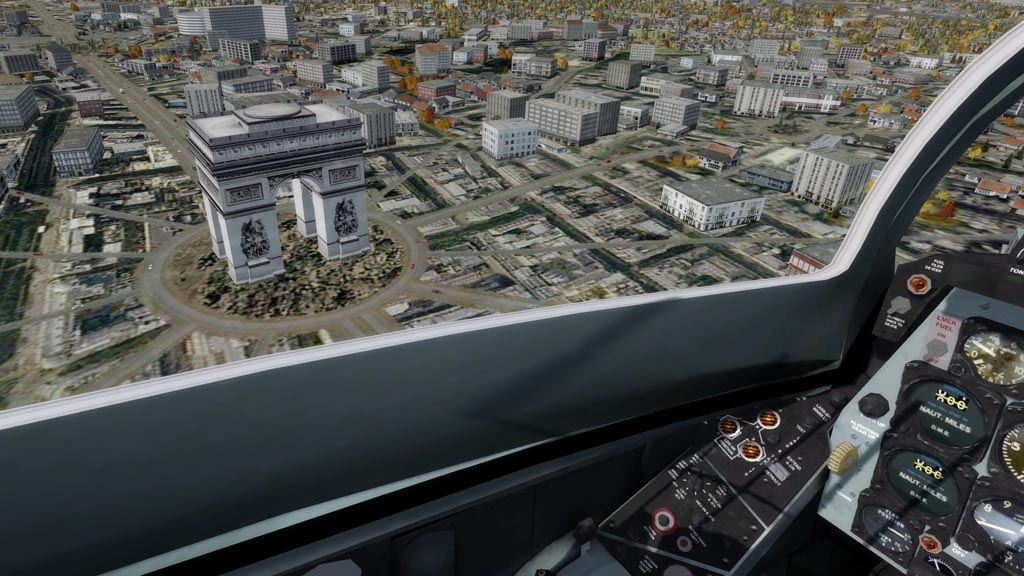
Never sean so few cars around the Arc
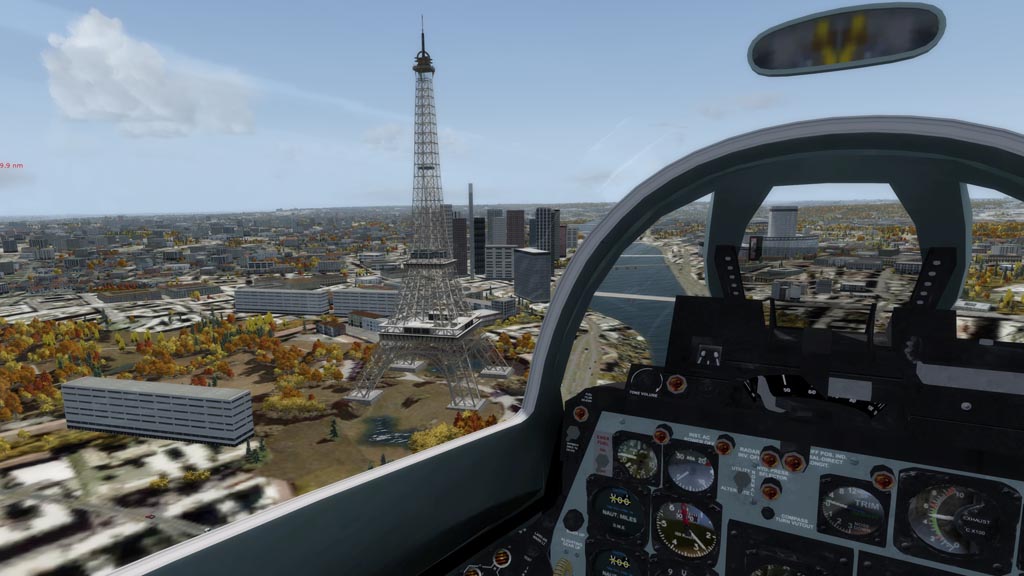
Another pass by the tower.
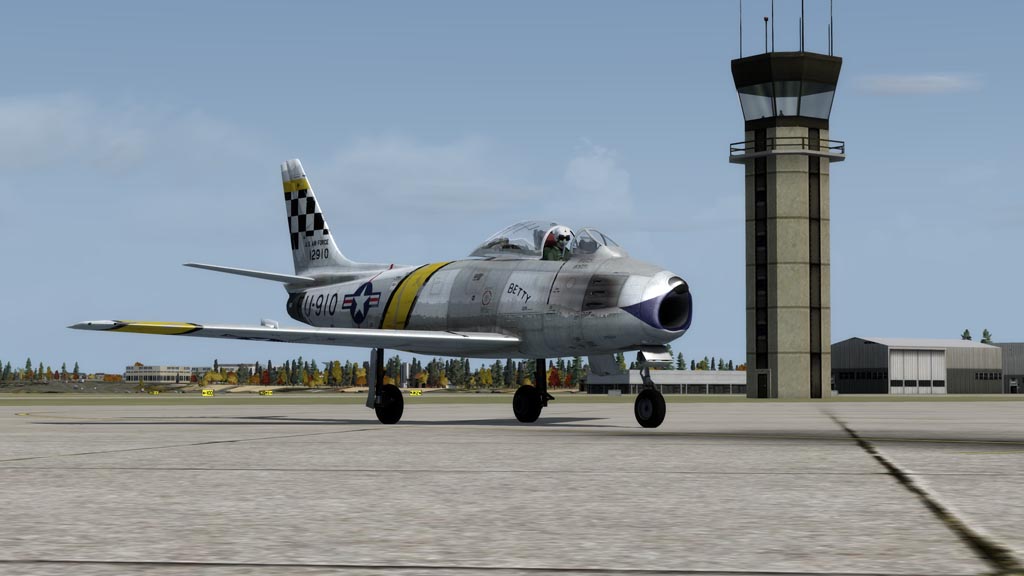
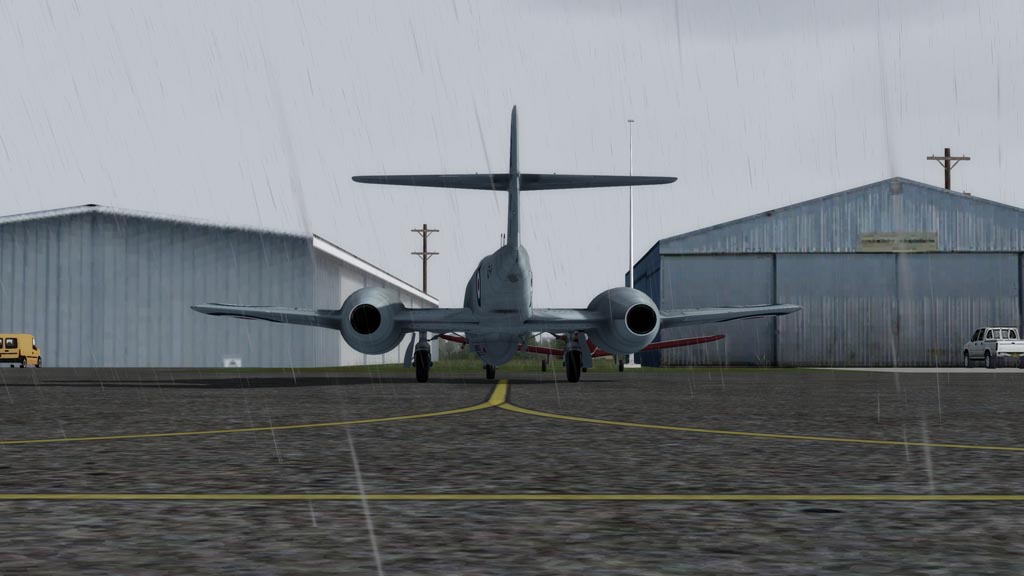
Landed.
Thanks for reading
ATB.
September 19, 2017: The North American F-86 Sabre, the Sabre is best known as the United States' first swept wing fighter that could counter the Soviet MiG-15 and was considered one of the best and most important fighter aircraft in the Korean war. Although it first flew in 1947 and was outdated by the end of the '50s, the Sabre proved versatile and adaptable. The last was retired by the Bolivian Air Force in 1994. Over 9800 were built in the US, Canada, Japan and Italy.
I tried to use the very nice Milviz model but it proved a bit beyond my skills. I started the flight but part way to Paris noticed the gauges had stopped, I fiddled with the power switches and got them back but then the engine was running at 100% and I could not get it to power back. Fiddling with the switches some more the engine stopped and I could not get it restarted, finally aborting before it crashed into a field. So instead I tried with the Virtavia model, which does not look as nice, especially the VC but it is much easier to fly. Started the flight with light rain, 7 knot winds, a few clouds at 700 feet, overcast at 6000 and a temperature of 10C/50F. I headed northwest toward Paris, at about 5000 feet to get over the first bank of hills and then dropped to about 2300 to stay below the clouds. It cleared up a bit as I approached Paris but I did not see the Eiffel tower as far away as Lt. Smith and the boys did . I finally spotted it and did a few passes by the tower and the Arc de Triomphe before landing at Le Bourget. The F-86 just ate up the 207nm flight in just 35 minutes, often cruising at over 540 knots.
Here are the pics:
Ready to go.
Climbing out of Strasbourg.
Try to stay between the clouds and the hills.
Its clear and I am good on fuel, drop the tanks.
There is the Eiffel Tower
Never sean so few cars around the Arc
Another pass by the tower.
Landed.
Thanks for reading
ATB.